Think You Don’t Need Workers’ Comp in California? Think Again — Here’s What It Could Cost You

🏢 Why Every California Employer Needs Workers’ Compensation Insurance — and What Happens If You Don’t Have It
What Is Workers’ Compensation Insurance?
Workers’ compensation insurance protects both employers and employees when workplace injuries or illnesses occur. It covers:
Medical treatment and hospital costs
Lost wages during recovery
Rehabilitation and retraining
Death benefits for dependents
Who Needs Workers’ Comp in California?
Under California Labor Code §3700, every employer with one or more employees must carry workers’ compensation insurance.
That includes:
Full-time, part-time, and seasonal workers
Family members working in the business
Some 1099 workers (if misclassified)
Even one employee triggers the legal requirement — no exceptions.
In California, workers’ comp ensures that injured employees get fast access to care — while protecting your business from costly lawsuits.
Why Workers’ Comp Coverage Matters
✅ It’s the Law — California requires all employers to have coverage.
🧑⚕️ It Protects Your Employees — Workers receive guaranteed medical and wage benefits.
💼 It Protects Your Business — Avoid lawsuits, heavy fines, and business interruptions.
🤝 It Builds Trust — Being insured shows your commitment to employee safety and compliance.

Penalties for Not Having Workers’ Comp in California
Operating without workers’ compensation insurance can lead to severe consequences under California Labor Code §3700.5:
⚖️ Criminal Charges: Up to $10,000 in fines and one year in county jail.
💸 Civil Penalties: The state may fine uninsured employers up to $100,000.
🚫 Stop-Work Orders: Your business can be shut down until coverage is in place.
🧾 Personal Liability: You’ll be fully responsible for medical expenses, lost wages, and legal fees if an employee is injured.
The Uninsured Employers Benefits Trust Fund (UEBTF) may step in to help the worker — but the state will seek reimbursement from you, plus interest and penalties.

⚙️ Protect Your Business — Stay Compliant and Covered
Workers’ compensation isn’t just a legal requirement — it’s a smart investment in your business’s future. Having proper coverage means protecting your employees, your finances, and your reputation.
At our office, we specialize in helping California employers:
Understand their legal obligations
Find affordable, state-compliant coverage
Avoid costly fines and shutdowns
Workers’ compensation insurance is more than a legal requirement — it’s a commitment to protecting your employees and your business. Staying compliant helps you avoid costly penalties while building a safe, trustworthy workplace.
The Strangest Workers’ Compensation Claims — And What Employers Can Learn
When most people think of workers’ compensation, they picture serious accidents — a fall on a construction site, a back injury from heavy lifting, or a repetitive stress injury from office work.
But sometimes, the claims that end up being filed (and even approved!) are downright strange.
Here are some of the weirdest workers’ compensation cases that really happened — and what they teach us about how far workers’ comp laws can reach
Unexpected Case #1 The Vending Machine Hero
Story: An employee at Circuit City (Illinois) injured his hip after he tried to shake loose a stuck bag of chips from a break‑room vending machine — to help a coworker. The claim was ultimately approved.
Takeaway: Even seemingly minor or “off‑duty” actions can be covered if they’re in the course of employment and benefit the workplace.
Unexpected Case #2 The Home Office Dog Trip

Story: A decorator for J.C. Penney tripped over her dog in her garage while retrieving work materials (fabric samples) and broke her wrist. Her workers’ comp claim was approved because her garage was deemed part of her “work environment.”
Takeaway: Remote work or work‑at‑home situations extend the “workplace” definition — even your garage can count if you’re retrieving job‑related items.
Unexpected Case #3 The McDonald's Fry Catch
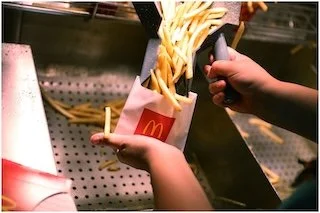
Story: A manager at McDonald’s injured her neck by bending quickly to catch a falling bag of french fries, spurred by the pressure to not waste food and keep drive‑thru service fast. The court approved the claim.
Takeaway: Pressure created by job duties (even in fast food) can turn a “simple bend” into a compensable injury
No matter how unusual an accident may seem, workers’ compensation exists to protect employees and employers alike. From home-office mishaps to on-the-job surprises, it’s better to be prepared than caught off guard.
Get in touch with us to review your coverage and ensure your workplace is fully protected.